
COVER STORIES
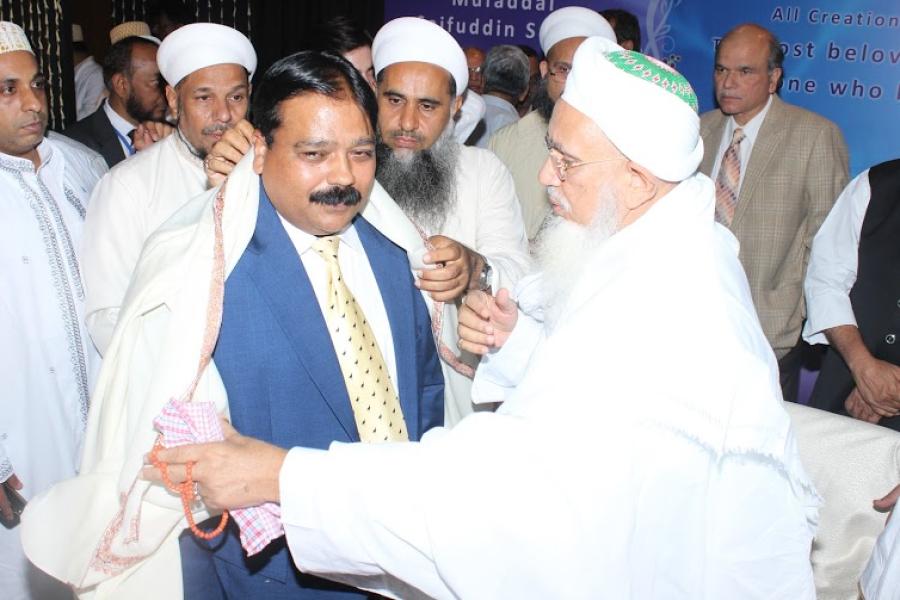
Dr. Anthony Raju - Advocate, Supreme Court of India, Dynamic Internationally Accredited Human Rights Defender, Inspirational, spiritual and motivational speaker, Peace Activist & Social Worker and is one of global's foremost voices of Human Rights and powerful voice for voiceless people globally.
ALL INDIA COUNCIL OF HUMAN RIGHTS, LIBERTIES & SOCIAL JUSTICE
(AICHLS) is founded by Dr. Anthony Raju - Advocate, Supreme Court of India, Dynamic Internationally Accredited Human Rights Defender, Inspirational, spiritual and motivational speaker, Peace Activist & Social Worker and is one of global's foremost voices of Human Rights and powerful voice for voiceless people globally.
All India council of human rights, liberties & social justice has been added as signatory to UNITED NATION GLOBAL COMPACT. The world's largest corporate responsibility initiative with nearly 12,000 business and non-business participants in 140 countries. That All India Council of Human Rights, Liberties & Social Justice (AICHLS), is a duly registered Society under the Societies Registration Act XXI of 1860, and is functioning with commitment to the Noble Cause of Human Rights Protection and Promotion, Justice for All, Economic Upliftment of the Underprivileged, Education, Love, Peace, Harmony and Friendship, National & International Integration by Exchange of Ideas & Ethos in India and also amongst the neighbouring countries and the people of the rest of the World at large.
Dr. Anthony Raju
Advocate , Supreme Court of India.
Global Chairman , All India Council of Human Rights, Liberties & Social Justice.
Chairman - National Legal Council
International Convener, Universal mission for Peace and Human Rights.
Chairman, National Council of News and Broadcasting.
Secretary General : Asian Human Rights Council
International Peace keeper
Dr. Anthony Raju - Advocate, Supreme Court of India and a dynamic, dedicated, Internationally accredited HUMAN RIGHTS, PEACE Ambassador & SOCIAL Worker and is one of Global's foremost voices of Human Rights.
Dr. Anthony Raju , who is an Internationally Reputed and Accredited PEACE BUILDER, HUMAN RIGHTS DEFENDER , Diplomat , an Eminent Social Reformer & Activist, Environmentalist, Educator, Human Rights & Constitutional Rights Activist, Motivator, Changemaker, Teacher Trainer, Disaster management Expert, Panel Arbitrator in National & International Level, Legal Aid Expert, Academician, Humanitarian works Expert, etc.
Dr. Anthony Raju has been awarded several National & International Awards for his Excellence work for more than 15 Years for promoting and protecting Human Rights. He has been awarded with several (Honoris Causa) Degrees , Like Doctor of Sociology , Doctorate of Human Rights by International Peace University , Germany, PHD. Social Work by Universal Academy for Global Peace , Life time membership and Award by International Journalism Centre , National Human Rights Activist Award by All India Newspaper Association , Ambassador of Peace Award by Blind Association, Peace Ambassador by Global Peace Initiative -USA
Dr. Anthony Raju had justified his position many times against the capital punishment , he has publicly condemned this barbaric act in name of punishment. He has written number of articles on Extra Judicial Killings, Violence Against Women, Right to Education, Rights to Information Contemporary forms of slavery , Right to an adequate Standard of living, Extrajudicial, summary of arbitrary executions , Sale of Children, Child prostitution , Independence of Judges and Lawyers.
Dr. Anthony Raju spends most of the time between Tribal , underprivileged , Villages , he widely travels in various States i.e Orissa , Chhattisgarh, Jharkhand , Bihar , Uttar Pradesh , Madhya Pradesh , Uttrakhand , Gujarat , Rajasthan etc.
MEMBERSHIP OPEN
JOIN THE TOP AND MOST REPUTED HUMAN RIGHTS MOVEMENT OF THE COUNTRY AND
RAISE YOUR VOICE FOR THE VOICELESS PEOPLE
Top Criminal Advocate
Top Human Rights Advocate
SPEAK BEFORE APPLY FOR THE MEMBERSHIP
For more details, visit below
9873005424, 9873087903
#dranthonyraju #tophumanrightsactivist #globalpeaceactivist #dranthonyrajuadvocate
https://www.flickr.com/people/anthonyraju/
https://www.flickr.com/photos/anthonyraju/
http://www.ihrac.org/
http://www.awardsforhumanrights.com/
https://www.newsindiatoday.co.in
http://www.ncnb.in/
https://www.linkedin.com/in/anthonyraju/
https://www.facebook.com/aichlsin
https://twitter.com/aichls
http://www.anthonyraju.com/
http://www.juneann.in/
https://plus.google.com/u/1/?tab=mX
https://www.youtube.com/user/TheHumanrightsindia/
http://www.xavierinstitutions.org/
www.asianhumanrightscouncil.org
www.internationalhumanrightscouncil.org
www.indianpresstrust.com
www.groundreports.in
======================================================
#dranthonyraju #drjuneann #drtessmartin #drameenaali #aparathapa, #sandeepmarwah, #Tophumanrightscouncil, #Humanrightsinindia #Socialjustice, #freelegalhelp #HumanRightsOrganizationsInIndia, #HumanRightsComplaint, #HumanRights, #AdvocateSupremeCourt #HumanRightsMembership ##TopHumanRightsOrganisationofIndia #peace #gahrc #humanrightseducation #humanrightsleadership #humanitarian #ihrac #dranthonyrajutopcriminaladvocate #aichls #ncnb #humanrightsambassador #tophumanrightsactivistofindia #motivationalspeaker #inspirationalspeaker #nhrc #tophumanrightsadvocateof india #topcriminaladvocate #nationalhumanrightscommission #topcriminaladvocatesupremecourtofindia #majorgeneralrajankochhar #drmoustaffaattarwala ##frjoshymichael
"Human Rights In India, Social Justice, Human Rights Commission, National Human Rights Commission, Human Rights Organizations In India, State Human Rights Commission, Human Rights Commission Delhi, Human Rights Complaint, Human Rights, Advocate Supreme Court, Human Rights Membership, Top Human Rights Organisation of India" "Human Rights In India, Dr. Anthony Raju Advocate Supreme Court, Human Rights Membership, Top Human Rights Organisation of India"
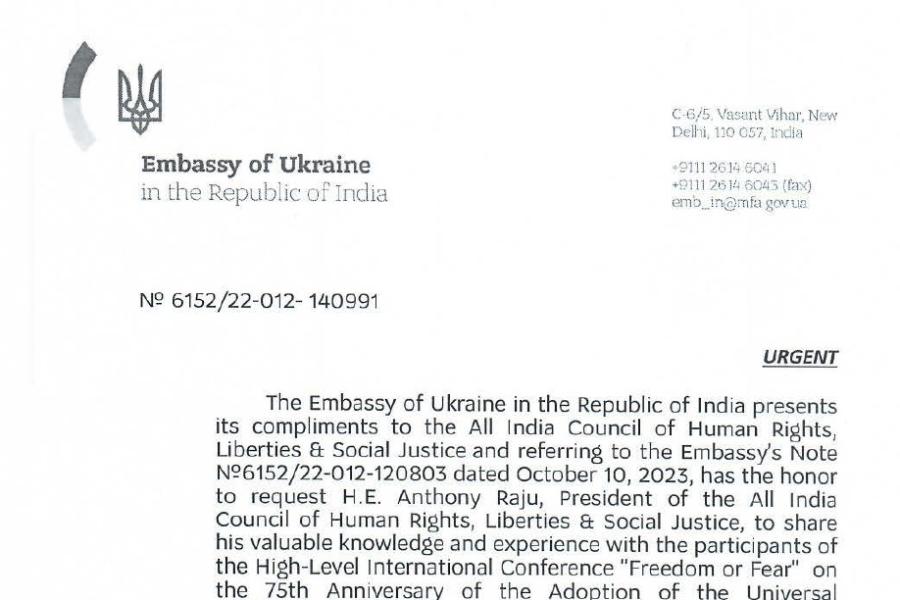
H.E. Dr. Anthony Raju has been invited by Ukraine as a Panelist
to share his valuable knowledge and experience with the participants of the high-level International Conference" Freedom or Fear" on the 75th Anniversary of the adoption of the Universal Declaration of Human Rights (UDHR) that will be held in Kyiv Ukraine.
SPEAK BEFORE APPLY FOR THE MEMBERSHIP
For more details, visit below
9873005424, 9873087903
https://humanrightscouncil.in/
https://humanrightscouncil.in/membership-form-download.php
https://www.hrcin.org/membership-form.html
http://ihrac.org/membership-form-download.php
https://hrcin.org/
http://ihrac.org/
https://twitter.com/AdvAnthonyRaju
Email: Office@humanrightscouncil.in
ALL INDIA COUNCIL OF HUMAN RIGHTS, LIBERTIES & SOCIAL JUSTICE
(AICHLS) is founded by Dr. Anthony Raju - Advocate, Supreme Court of India, Dynamic Internationally Accredited Human Rights Defender, Inspirational, spiritual and motivational speaker, Peace Activist & Social Worker and is one of global's foremost voices of Human Rights and powerful voice for voiceless people globally.
All India council of human rights, liberties & social justice has been added as signatory to UNITED NATION GLOBAL COMPACT. The world's largest corporate responsibility initiative with nearly 12,000 business and non-business participants in 140 countries. That All India Council of Human Rights, Liberties & Social Justice (AICHLS), is a duly registered Society under the Societies Registration Act XXI of 1860, and is functioning with commitment to the Noble Cause of Human Rights Protection and Promotion, Justice for All, Economic Upliftment of the Underprivileged, Education, Love, Peace, Harmony and Friendship, National & International Integration by Exchange of Ideas & Ethos in India and also amongst the neighbouring countries and the people of the rest of the World at large.
Dr. Anthony Raju
Advocate , Supreme Court of India.
Global Chairman , All India Council of Human Rights, Liberties & Social Justice.
Chairman - National Legal Council
International Convener, Universal mission for Peace and Human Rights.
Chairman, National Council of News and Broadcasting.
Secretary General : Asian Human Rights Council
International Peace keeper
Dr. Anthony Raju - Advocate, Supreme Court of India and a dynamic, dedicated, Internationally accredited HUMAN RIGHTS, PEACE Ambassador & SOCIAL Worker and is one of Global's foremost voices of Human Rights.
Dr. Anthony Raju , who is an Internationally Reputed and Accredited PEACE BUILDER, HUMAN RIGHTS DEFENDER , Diplomat , an Eminent Social Reformer & Activist, Environmentalist, Educator, Human Rights & Constitutional Rights Activist, Motivator, Changemaker, Teacher Trainer, Disaster management Expert, Panel Arbitrator in National & International Level, Legal Aid Expert, Academician, Humanitarian works Expert, etc.
Dr. Anthony Raju has been awarded several National & International Awards for his Excellence work for more than 15 Years for promoting and protecting Human Rights. He has been awarded with several (Honoris Causa) Degrees , Like Doctor of Sociology , Doctorate of Human Rights by International Peace University , Germany, PHD. Social Work by Universal Academy for Global Peace , Life time membership and Award by International Journalism Centre , National Human Rights Activist Award by All India Newspaper Association , Ambassador of Peace Award by Blind Association, Peace Ambassador by Global Peace Initiative -USA
Dr. Anthony Raju had justified his position many times against the capital punishment , he has publicly condemned this barbaric act in name of punishment. He has written number of articles on Extra Judicial Killings, Violence Against Women, Right to Education, Rights to Information Contemporary forms of slavery , Right to an adequate Standard of living, Extrajudicial, summary of arbitrary executions , Sale of Children, Child prostitution , Independence of Judges and Lawyers.
Dr. Anthony Raju spends most of the time between Tribal , underprivileged , Villages , he widely travels in various States i.e Orissa , Chhattisgarh, Jharkhand , Bihar , Uttar Pradesh , Madhya Pradesh , Uttrakhand , Gujarat , Rajasthan etc.
#dranthonyraju #tophumanrightsactivist #globalpeaceactivist #dranthonyrajuadvocate
https://www.flickr.com/people/anthonyraju/
https://www.flickr.com/photos/anthonyraju/
http://www.ihrac.org/
http://www.awardsforhumanrights.com/
https://www.newsindiatoday.co.in
http://www.ncnb.in/
https://www.linkedin.com/in/anthonyraju/
https://www.facebook.com/aichlsin
https://twitter.com/aichls
http://www.anthonyraju.com/
http://www.juneann.in/
https://plus.google.com/u/1/?tab=mX
https://www.youtube.com/user/TheHumanrightsindia/
http://www.xavierinstitutions.org/
www.asianhumanrightscouncil.org
www.internationalhumanrightscouncil.org
www.indianpresstrust.com
www.groundreports.in
======================================================
#dranthonyraju #drjuneann #drtessmartin #drameenaali #aparathapa, #sandeepmarwah, #Tophumanrightscouncil, #Humanrightsinindia #Socialjustice, #freelegalhelp #HumanRightsOrganizationsInIndia, #HumanRightsComplaint, #HumanRights, #AdvocateSupremeCourt #HumanRightsMembership ##TopHumanRightsOrganisationofIndia #peace #gahrc #humanrightseducation #humanrightsleadership #humanitarian #ihrac #dranthonyrajutopcriminaladvocate #aichls #ncnb #humanrightsambassador #tophumanrightsactivistofindia #motivationalspeaker #inspirationalspeaker #nhrc #tophumanrightsadvocateof india #topcriminaladvocate #nationalhumanrightscommission #topcriminaladvocatesupremecourtofindia #majorgeneralrajankochhar #drmoustaffaattarwala ##frjoshymichael
"Human Rights In India, Social Justice, Human Rights Commission, National Human Rights Commission, Human Rights Organizations In India, State Human Rights Commission, Human Rights Commission Delhi, Human Rights Complaint, Human Rights, Advocate Supreme Court, Human Rights Membership, Top Human Rights Organisation of India" "Human Rights In India, Dr. Anthony Raju Advocate Supreme Court, Human Rights Membership, Top Human Rights Organisation of India"
In Public Interest, More Links Of Human Rights/Government Organisation working for the promotion and protection of Human Rights. Legal Aid in India.
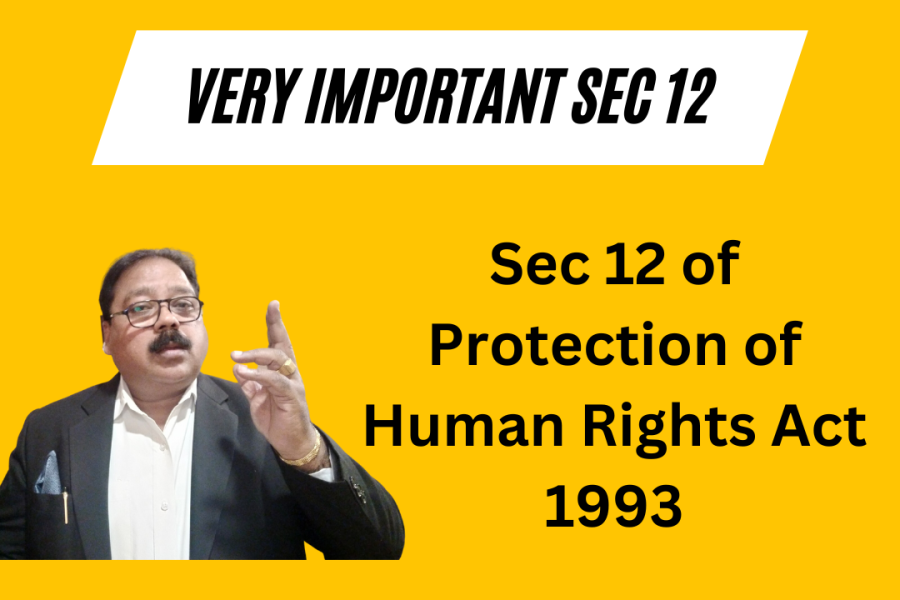
A very important section 12 of the Protection of Human Rights Act, 1993
As per Section 12 of the Act, the functions and powers of the National Human Rights Commission are as follows:
NHRC can investigate any complaints related to violations of Human Rights or negligence in the prevention of such violations by a public servant; either suo-moto or after receiving a petition.
NHRC can interfere in any judicial process involving any allegation of human rights violation.
It has the authority to visit any prison or institute under the control of the state governments to observe the living conditions of inmates. It can also make recommendations to the authorities based on its observations.
NHRC can examine the articles of the Constitution that protect human rights and make recommendations for punitive measures.
Examine the causes that obstruct the enjoyment of human rights, including acts of terrorism, and make recommendations for proper remedies.
Study human rights treaties and other international instruments and make suggestions for their effective implementation.
The Committee undertakes and promotes research in the field of human rights.
Human Rights Literacy and awareness of the safeguards available for the protection of these rights are promoted by NHRC in various sectors of society through different media, seminars, publications, etc.
Encourage non-governmental organizations and institutions that work in the field of human rights;
The National Commission for Human Rights may perform any other function that it considers necessary for the promotion of human rights.
सदस्यता खुली
देश के शीर्ष और सर्वाधिक प्रतिष्ठित मानवाधिकार आंदोलन से जुड़ें और
बेजुबान लोगों के लिए अपनी आवाज उठाएं
MEMBERSHIP OPEN
JOIN THE TOP AND MOST REPUTED HUMAN RIGHTS MOVEMENT OF THE COUNTRY AND
RAISE YOUR VOICE FOR THE VOICELESS PEOPLE
Top Criminal Advocate
Top Human Rights Advocate
SPEAK BEFORE APPLY FOR THE MEMBERSHIP
For more details, visit below
9873005424, 9873087903
https://humanrightscouncil.in/
https://humanrightscouncil.in/membership-form-download.php
https://www.hrcin.org/membership-form.html
http://ihrac.org/membership-form-download.php
https://hrcin.org/
http://ihrac.org/
https://twitter.com/AdvAnthonyRaju
Email: Office@humanrightscouncil.in
ALL INDIA COUNCIL OF HUMAN RIGHTS, LIBERTIES & SOCIAL JUSTICE
(AICHLS) is founded by Dr. Anthony Raju - Advocate, Supreme Court of India, Dynamic Internationally Accredited Human Rights Defender, Inspirational, spiritual and motivational speaker, Peace Activist & Social Worker and is one of global's foremost voices of Human Rights and powerful voice for voiceless people globally.
All India council of human rights, liberties & social justice has been added as signatory to UNITED NATION GLOBAL COMPACT. The world's largest corporate responsibility initiative with nearly 12,000 business and non-business participants in 140 countries. That All India Council of Human Rights, Liberties & Social Justice (AICHLS), is a duly registered Society under the Societies Registration Act XXI of 1860, and is functioning with commitment to the Noble Cause of Human Rights Protection and Promotion, Justice for All, Economic Upliftment of the Underprivileged, Education, Love, Peace, Harmony and Friendship, National & International Integration by Exchange of Ideas & Ethos in India and also amongst the neighbouring countries and the people of the rest of the World at large.
Dr. Anthony Raju
Advocate , Supreme Court of India.
Global Chairman , All India Council of Human Rights, Liberties & Social Justice.
Chairman - National Legal Council
International Convener, Universal mission for Peace and Human Rights.
Chairman, National Council of News and Broadcasting.
Secretary General : Asian Human Rights Council
International Peace keeper
Dr. Anthony Raju - Advocate, Supreme Court of India and a dynamic, dedicated, Internationally accredited HUMAN RIGHTS, PEACE Ambassador & SOCIAL Worker and is one of Global's foremost voices of Human Rights.
Dr. Anthony Raju , who is an Internationally Reputed and Accredited PEACE BUILDER, HUMAN RIGHTS DEFENDER , Diplomat , an Eminent Social Reformer & Activist, Environmentalist, Educator, Human Rights & Constitutional Rights Activist, Motivator, Changemaker, Teacher Trainer, Disaster management Expert, Panel Arbitrator in National & International Level, Legal Aid Expert, Academician, Humanitarian works Expert, etc.
Dr. Anthony Raju has been awarded several National & International Awards for his Excellence work for more than 15 Years for promoting and protecting Human Rights. He has been awarded with several (Honoris Causa) Degrees , Like Doctor of Sociology , Doctorate of Human Rights by International Peace University , Germany, PHD. Social Work by Universal Academy for Global Peace , Life time membership and Award by International Journalism Centre , National Human Rights Activist Award by All India Newspaper Association , Ambassador of Peace Award by Blind Association, Peace Ambassador by Global Peace Initiative -USA
Dr. Anthony Raju had justified his position many times against the capital punishment , he has publicly condemned this barbaric act in name of punishment. He has written number of articles on Extra Judicial Killings, Violence Against Women, Right to Education, Rights to Information Contemporary forms of slavery , Right to an adequate Standard of living, Extrajudicial, summary of arbitrary executions , Sale of Children, Child prostitution , Independence of Judges and Lawyers.
Dr. Anthony Raju spends most of the time between Tribal , underprivileged , Villages , he widely travels in various States i.e Orissa , Chhattisgarh, Jharkhand , Bihar , Uttar Pradesh , Madhya Pradesh , Uttrakhand , Gujarat , Rajasthan etc.
#dranthonyraju #tophumanrightsactivist #globalpeaceactivist #dranthonyrajuadvocate
https://www.flickr.com/people/anthonyraju/
https://www.flickr.com/photos/anthonyraju/
http://www.ihrac.org/
http://www.awardsforhumanrights.com/
https://www.newsindiatoday.co.in
http://www.ncnb.in/
https://www.linkedin.com/in/anthonyraju/
https://www.facebook.com/aichlsin
https://twitter.com/aichls
http://www.anthonyraju.com/
http://www.juneann.in/
https://plus.google.com/u/1/?tab=mX
https://www.youtube.com/user/TheHumanrightsindia/
http://www.xavierinstitutions.org/
www.asianhumanrightscouncil.org
www.internationalhumanrightscouncil.org
www.indianpresstrust.com
www.groundreports.in
======================================================
#dranthonyraju #drjuneann #drtessmartin #drameenaali #aparathapa, #sandeepmarwah, #Tophumanrightscouncil, #Humanrightsinindia #Socialjustice, #freelegalhelp #HumanRightsOrganizationsInIndia, #HumanRightsComplaint, #HumanRights, #AdvocateSupremeCourt #HumanRightsMembership ##TopHumanRightsOrganisationofIndia #peace #gahrc #humanrightseducation #humanrightsleadership #humanitarian #ihrac #dranthonyrajutopcriminaladvocate #aichls #ncnb #humanrightsambassador #tophumanrightsactivistofindia #motivationalspeaker #inspirationalspeaker #nhrc #tophumanrightsadvocateof india #topcriminaladvocate #nationalhumanrightscommission #topcriminaladvocatesupremecourtofindia #majorgeneralrajankochhar #drmoustaffaattarwala ##frjoshymichael
"Human Rights In India, Social Justice, Human Rights Commission, National Human Rights Commission, Human Rights Organizations In India, State Human Rights Commission, Human Rights Commission Delhi, Human Rights Complaint, Human Rights, Advocate Supreme Court, Human Rights Membership, Top Human Rights Organisation of India" "Human Rights In India, Dr. Anthony Raju Advocate Supreme Court, Human Rights Membership, Top Human Rights Organisation of India"
In Public Interest, More Links Of Human Rights/Government Organisation working for the promotion and protection of Human Rights. Legal Aid in India.
https://nhrc.nic.in/
https://nhrc.nic.in/about-us/state-commission?term_node_tid_depth=2350
https://nhrc.nic.in/statecommission/andhra-pradesh-state-human-rights-commission
https://shrc.tn.gov.in/
https://kshrc.karnataka.gov.in/english
https://nhrc.nic.in/statecommission/maharashtra-state-human-rights-commission
http://uphrc.up.nic.in/
https://ukhrc.net/u/
http://bhrc.bihar.gov.in/
http://www.pshrc.net/Home/Contact
https://nhrc.nic.in/statecommission/punjab-human-rights-commission
https://nhrc.nic.in/statecommission/gujarat-human-rights-commission
https://hphrc.hp.gov.in/
https://nhrc.nic.in/statecommission/goa-human-rights-commission
https://dpar.nagaland.gov.in/setting-up-of-nagaland-state-human-rights-commission/
https://nhrc.nic.in/statecommission/manipur-state-human-rights-commission
https://nhrc.nic.in/statecommission/meghalaya-human-rights-commission
https://homeandpolitical.assam.gov.in/frontimpotentdata/assam-human-rights-commission
http://wbhrc.nic.in/
http://sshrc.nic.in/
http://www.arunachalpradesh.gov.in/setting-up-of-the-arunachal-pradesh-state-human-rights-commission-apshrc/
https://rshrc.rajasthan.gov.in/
https://main.sci.gov.in/legal-aid
top 10 criminal law firms in india
top criminal law firms in india
top 10 criminal lawyers in mumbai
famous criminal lawyers
top criminal lawyers in mumbai
best criminal lawyer in world
best criminal lawyer in supreme court
top female criminal lawyers in india
LEGAL AND LEGAL Associates
डॉ. एंथोनी राजू सबसे बेहतरीन और प्रतिभाशाली आपराधिक अधिवक्ताओं और प्रसिद्ध मानवाधिकार कार्यकर्ताओं में से एक हैं, उन्होंने बहुत ही शानदार ढंग से हजारों लोगों को अन्याय के खिलाफ लड़ने में मदद की है और असहाय, गरीब लोगों के लिए आवाज उठाई है। आज वह देश का जाना-माना और बेहद प्रतिष्ठित चेहरा हैं, जो गरीबों और असहाय लोगों के लिए जीवन समर्पित है। वह मीडिया का चकाचौंध चेहरा नहीं है, वह दीवार के पीछे काम करता है।
उन्होंने विश्व स्तर पर मानवाधिकार और शांति को बढ़ावा देने के लिए सैकड़ों संगठनों की स्थापना की है।
शांति, सद्भाव और मानवाधिकारों को बढ़ावा देने के लिए उनके कार्यों के लिए उन्हें राष्ट्रीय और अंतर्राष्ट्रीय स्तर पर कई पुरस्कारों से सम्मानित किया गया है।
Dr. Anthony Raju is one of the finest and most brilliant criminal advocates and well-known Human Rights Activist, he has very brilliantly helped thousands of people fight against injustice and raised voices for helpless, poor people. Today he is the well-known and very reputed face in the country, dedicated to life for the poor and helpless people. he is not a media glare face, he works behind the wall.
He has founded hundreds of organizations to promote Human Rights and Peace globally.
He has been awarded several awards Nationally and Internationally for his work for Peace, harmony, and promoting Human Rights.
========
सदस्यता खुली
देश के शीर्ष और सर्वाधिक प्रतिष्ठित मानवाधिकार आंदोलन से जुड़ें और
बेजुबान लोगों के लिए अपनी आवाज उठाएं
MEMBERSHIP OPEN
JOIN THE TOP AND MOST REPUTED HUMAN RIGHTS MOVEMENT OF THE COUNTRY AND
RAISE YOUR VOICE FOR THE VOICELESS PEOPLE
Top Criminal Advocate
Top Human Rights Advocate
SPEAK BEFORE APPLY FOR THE MEMBERSHIP
For more details, visit below
9873005424, 9873087903
https://humanrightscouncil.in/
https://humanrightscouncil.in/membership-form-download.php
https://www.hrcin.org/membership-form.html
http://ihrac.org/membership-form-download.php
https://hrcin.org/
http://ihrac.org/
https://twitter.com/AdvAnthonyRaju
Email: Office@humanrightscouncil.in
ALL INDIA COUNCIL OF HUMAN RIGHTS, LIBERTIES & SOCIAL JUSTICE
(AICHLS) is founded by Dr. Anthony Raju - Advocate, Supreme Court of India, Dynamic Internationally Accredited Human Rights Defender, Inspirational, spiritual and motivational speaker, Peace Activist & Social Worker and is one of global's foremost voices of Human Rights and powerful voice for voiceless people globally.
All India council of human rights, liberties & social justice has been added as signatory to UNITED NATION GLOBAL COMPACT. The world's largest corporate responsibility initiative with nearly 12,000 business and non-business participants in 140 countries. That All India Council of Human Rights, Liberties & Social Justice (AICHLS), is a duly registered Society under the Societies Registration Act XXI of 1860, and is functioning with commitment to the Noble Cause of Human Rights Protection and Promotion, Justice for All, Economic Upliftment of the Underprivileged, Education, Love, Peace, Harmony and Friendship, National & International Integration by Exchange of Ideas & Ethos in India and also amongst the neighbouring countries and the people of the rest of the World at large.
Dr. Anthony Raju
Advocate , Supreme Court of India.
Global Chairman , All India Council of Human Rights, Liberties & Social Justice.
Chairman - National Legal Council
International Convener, Universal mission for Peace and Human Rights.
Chairman, National Council of News and Broadcasting.
Secretary General : Asian Human Rights Council
International Peace keeper
Dr. Anthony Raju - Advocate, Supreme Court of India and a dynamic, dedicated, Internationally accredited HUMAN RIGHTS, PEACE Ambassador & SOCIAL Worker and is one of Global's foremost voices of Human Rights.
Dr. Anthony Raju , who is an Internationally Reputed and Accredited PEACE BUILDER, HUMAN RIGHTS DEFENDER , Diplomat , an Eminent Social Reformer & Activist, Environmentalist, Educator, Human Rights & Constitutional Rights Activist, Motivator, Changemaker, Teacher Trainer, Disaster management Expert, Panel Arbitrator in National & International Level, Legal Aid Expert, Academician, Humanitarian works Expert, etc.
Dr. Anthony Raju has been awarded several National & International Awards for his Excellence work for more than 15 Years for promoting and protecting Human Rights. He has been awarded with several (Honoris Causa) Degrees , Like Doctor of Sociology , Doctorate of Human Rights by International Peace University , Germany, PHD. Social Work by Universal Academy for Global Peace , Life time membership and Award by International Journalism Centre , National Human Rights Activist Award by All India Newspaper Association , Ambassador of Peace Award by Blind Association, Peace Ambassador by Global Peace Initiative -USA
Dr. Anthony Raju had justified his position many times against the capital punishment , he has publicly condemned this barbaric act in name of punishment. He has written number of articles on Extra Judicial Killings, Violence Against Women, Right to Education, Rights to Information Contemporary forms of slavery , Right to an adequate Standard of living, Extrajudicial, summary of arbitrary executions , Sale of Children, Child prostitution , Independence of Judges and Lawyers.
Dr. Anthony Raju spends most of the time between Tribal , underprivileged , Villages , he widely travels in various States i.e Orissa , Chhattisgarh, Jharkhand , Bihar , Uttar Pradesh , Madhya Pradesh , Uttrakhand , Gujarat , Rajasthan etc.
#dranthonyraju #tophumanrightsactivist #globalpeaceactivist #dranthonyrajuadvocate
https://www.flickr.com/people/anthonyraju/
https://www.flickr.com/photos/anthonyraju/
http://www.ihrac.org/
http://www.awardsforhumanrights.com/
https://www.newsindiatoday.co.in
http://www.ncnb.in/
https://www.linkedin.com/in/anthonyraju/
https://www.facebook.com/aichlsin
https://twitter.com/aichls
http://www.anthonyraju.com/
http://www.juneann.in/
https://plus.google.com/u/1/?tab=mX
https://www.youtube.com/user/TheHumanrightsindia/
http://www.xavierinstitutions.org/
www.asianhumanrightscouncil.org
www.internationalhumanrightscouncil.org
www.indianpresstrust.com
www.groundreports.in
======================================================
#dranthonyraju #drjuneann #drtessmartin #drameenaali #aparathapa, #sandeepmarwah, #Tophumanrightscouncil, #Humanrightsinindia #Socialjustice, #freelegalhelp #HumanRightsOrganizationsInIndia, #HumanRightsComplaint, #HumanRights, #AdvocateSupremeCourt #HumanRightsMembership ##TopHumanRightsOrganisationofIndia #peace #gahrc #humanrightseducation #humanrightsleadership #humanitarian #ihrac #dranthonyrajutopcriminaladvocate #aichls #ncnb #humanrightsambassador #tophumanrightsactivistofindia #motivationalspeaker #inspirationalspeaker #nhrc #tophumanrightsadvocateof india #topcriminaladvocate #nationalhumanrightscommission #topcriminaladvocatesupremecourtofindia #majorgeneralrajankochhar #drmoustaffaattarwala ##frjoshymichael
"Human Rights In India, Social Justice, Human Rights Commission, National Human Rights Commission, Human Rights Organizations In India, State Human Rights Commission, Human Rights Commission Delhi, Human Rights Complaint, Human Rights, Advocate Supreme Court, Human Rights Membership, Top Human Rights Organisation of India" "Human Rights In India, Dr. Anthony Raju Advocate Supreme Court, Human Rights Membership, Top Human Rights Organisation of India"
In Public Interest, More Links Of Human Rights/Government Organisation working for the promotion and protection of Human Rights. Legal Aid in India.
https://nhrc.nic.in/
https://nhrc.nic.in/about-us/state-commission?term_node_tid_depth=2350
https://nhrc.nic.in/statecommission/andhra-pradesh-state-human-rights-commission
https://shrc.tn.gov.in/
https://kshrc.karnataka.gov.in/english
https://nhrc.nic.in/statecommission/maharashtra-state-human-rights-commission
http://uphrc.up.nic.in/
https://ukhrc.net/u/
http://bhrc.bihar.gov.in/
http://www.pshrc.net/Home/Contact
https://nhrc.nic.in/statecommission/punjab-human-rights-commission
https://nhrc.nic.in/statecommission/gujarat-human-rights-commission
https://hphrc.hp.gov.in/
https://nhrc.nic.in/statecommission/goa-human-rights-commission
https://dpar.nagaland.gov.in/setting-up-of-nagaland-state-human-rights-commission/
https://nhrc.nic.in/statecommission/manipur-state-human-rights-commission
https://nhrc.nic.in/statecommission/meghalaya-human-rights-commission
https://homeandpolitical.assam.gov.in/frontimpotentdata/assam-human-rights-commission
http://wbhrc.nic.in/
http://sshrc.nic.in/
http://www.arunachalpradesh.gov.in/setting-up-of-the-arunachal-pradesh-state-human-rights-commission-apshrc/
https://rshrc.rajasthan.gov.in/
https://main.sci.gov.in/legal-aid
top 10 criminal law firms in india
top criminal law firms in india
top 10 criminal lawyers in mumbai
famous criminal lawyers
top criminal lawyers in mumbai
best criminal lawyer in world
best criminal lawyer in supreme court
top female criminal lawyers in india
LEGAL AND LEGAL Associates
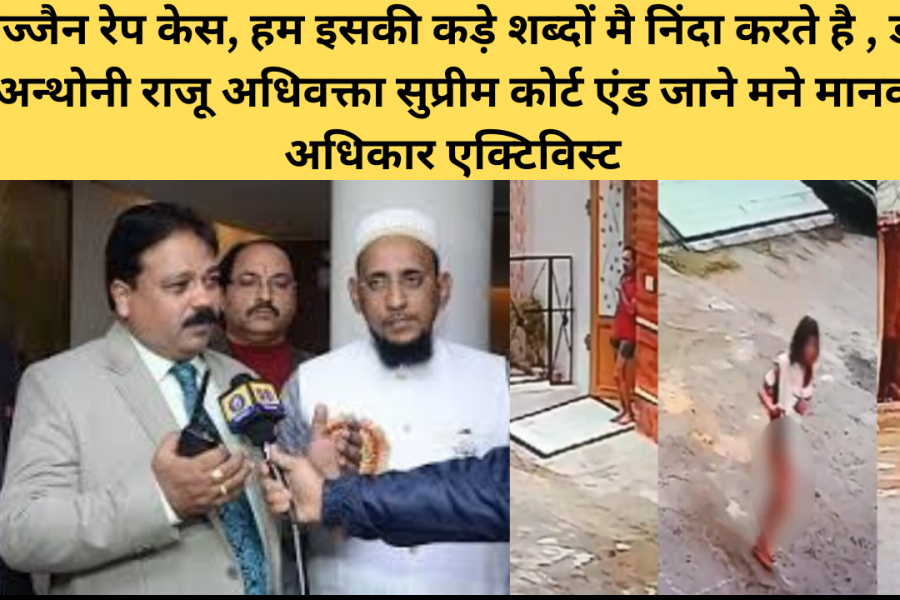
उज्जैन रेप केस, हम इसकी कड़े शब्दों मै निंदा करते है , डॉ अन्थोनी राजू अधिवक्ता सुप्रीम कोर्ट एंड जाने मने मानव अधिकार एक्टिविस्ट 9873005424
कब तक हमारी बहन बेटिओ का साथ ऐसा होता रहेगा, इन दरिंदो को बहुल ही जल्द सज़ा होनी चाहिए , मेरी सिर्फ सरकार यही गुजारिश है.
अन्याय अत्याचार के खिलाफ आवाज़ उठाये अवं एकजुट हो कर देश की माँ बहनो की इज्जत को बचाये।
12 साल की लड़की लुहलुहान लड़की सड़कों में भागती रही. खून से सनी अर्धनग्न लड़की लगभग ढाई घंटे भटकती रही. वह पूरे 8 किलोमीटर तक दौड़ती रही. जिससे मिले उससे हाथ जोड़कर बोलती कोई मेरे पीछे पड़ा है. मासूम के साथ रेप हुआ है. हैवानियत की सारी हदें पर कर दी है दरिंदों ने. लड़की के प्राइवेट पार्ट से लगातार खून बह रहा है. लड़की दरिंदों से जान बचाकर भागी. गंभीर हालत में अस्पताल में भर्ती कराया गया है. जहां उसे ब्लड चढ़ाया जा रहा है. लड़की डरी सहमी है. बोलने की हालत में नहीं है. पूछताछ में इतना बताया कि मां के साथ भी गलत काम हुआ है. लड़की प्रयागराज की बताई का रही है. भगवान महाकाल की नगरी उज्जैन में हुए इस पाप के आरोपियों को ढूँढने में पुलिस जुटी है. जांच टीमें गठित कर दी गई हैं. लड़की के माँ को ढूंढ़ा जा रहा है. #Ujjain #dranthonyraju #aichls
==
Strongly condemned, India Council of Human Rights highly condemn this horrific incident, shocking for the country. Said Dr. Anthony Raju Advocate Supreme Court, 9873005424
For how long will this continue to happen to our sisters and daughters, these scoundrels should be punished very soon, this is my only request to the government.
Raise your voice against injustice and atrocities and unite and save the honor of the mothers and sisters of the country.
The 12 year old girl kept running in the streets bleeding. The half-naked girl, soaked in blood, kept wandering for about two and a half hours. She kept running for the entire 8 kilometers. She would fold hands with anyone she met and say, "Someone is after me." An innocent child has been raped. The brutes have crossed all limits of brutality. There is continuous bleeding from the girl's private parts. The girl ran away to save her life from the criminals. He has been admitted to the hospital in critical condition. Where he is being given blood transfusion. The girl is scared. Not in a position to speak. During interrogation it was told that wrongdoing had happened to the mother also. The girl is said to be from Prayagraj. The police is busy finding the accused of this sin that took place in Ujjain, the city of Lord Mahakal. Investigation teams have been formed. The girl's mother is being searched.
https://youtu.be/ZrmALb43bjg?si=K3sptgppwD8kPEw6
====
MEMBERSHIP OPEN FOR THIS GREAT MOVEMENT OF HUMAN RIGHTS, PLEASE JOIN.
अन्याय और अत्याचार के विरुद्ध सशक्त मानवाधिकार आंदोलन
आज ही शामिल हों
अखिल भारतीय मानव अधिकार, स्वतंत्रता और सामाजिक न्याय परिषद
+91 98730 05424 पर कॉल करें
JOIN THE TOP AND MOST REPUTED HUMAN RIGHTS MOVEMENT IN THE COUNTRY AND
RAISE YOUR VOICE FOR THE VOICELESS PEOPLE
मानवाधिकारों के इस महान आंदोलन के लिए सदस्यता खुली है, कृपया शामिल हों।
देश में शीर्ष और सबसे प्रतिष्ठित मानवाधिकार आंदोलन में शामिल हों और
बेजुबान लोगों के लिए अपनी आवाज उठाएं.
Top Criminal Advocate
Top Human Rights Advocate
==============================================
SPEAK BEFORE APPLYING FOR THE MEMBERSHIP
For more details, visit below
9873005424, 9873087903
https://humanrightscouncil.in/
https://humanrightscouncil.in/membership-form-download.php
https://www.hrcin.org/membership-form.html
http://ihrac.org/membership-form-download.php
https://hrcin.org/
http://ihrac.org/
https://twitter.com/AdvAnthonyRaju
Email: Office@humanrightscouncil.in
ALL INDIA COUNCIL OF HUMAN RIGHTS, LIBERTIES & SOCIAL JUSTICE
(AICHLS) is founded by Dr. Anthony Raju - Advocate, Supreme Court of India, Dynamic Internationally Accredited Human Rights Defender, Inspirational, spiritual and motivational speaker, Peace Activist & Social Worker and is one of global's foremost voices of Human Rights and powerful voice for voiceless people globally.
All India council of human rights, liberties & social justice has been added as signatory to UNITED NATION GLOBAL COMPACT. The world's largest corporate responsibility initiative with nearly 12,000 business and non-business participants in 140 countries. That All India Council of Human Rights, Liberties & Social Justice (AICHLS), is a duly registered Society under the Societies Registration Act XXI of 1860, and is functioning with commitment to the Noble Cause of Human Rights Protection and Promotion, Justice for All, Economic Upliftment of the Underprivileged, Education, Love, Peace, Harmony and Friendship, National & International Integration by Exchange of Ideas & Ethos in India and also amongst the neighbouring countries and the people of the rest of the World at large.
Dr. Anthony Raju
Advocate , Supreme Court of India.
Global Chairman , All India Council of Human Rights, Liberties & Social Justice.
Chairman - National Legal Council
International Convener, Universal mission for Peace and Human Rights.
Chairman, National Council of News and Broadcasting.
Secretary General : Asian Human Rights Council
International Peace keeper
Dr. Anthony Raju - Advocate, Supreme Court of India and a dynamic, dedicated, Internationally accredited HUMAN RIGHTS, PEACE Ambassador & SOCIAL Worker and is one of Global's foremost voices of Human Rights.
Dr. Anthony Raju , who is an Internationally Reputed and Accredited PEACE BUILDER, HUMAN RIGHTS DEFENDER , Diplomat , an Eminent Social Reformer & Activist, Environmentalist, Educator, Human Rights & Constitutional Rights Activist, Motivator, Changemaker, Teacher Trainer, Disaster management Expert, Panel Arbitrator in National & International Level, Legal Aid Expert, Academician, Humanitarian works Expert, etc.
Dr. Anthony Raju has been awarded several National & International Awards for his Excellence work for more than 15 Years for promoting and protecting Human Rights. He has been awarded with several (Honoris Causa) Degrees , Like Doctor of Sociology , Doctorate of Human Rights by International Peace University , Germany, PHD. Social Work by Universal Academy for Global Peace , Life time membership and Award by International Journalism Centre , National Human Rights Activist Award by All India Newspaper Association , Ambassador of Peace Award by Blind Association, Peace Ambassador by Global Peace Initiative -USA
Dr. Anthony Raju had justified his position many times against the capital punishment , he has publicly condemned this barbaric act in name of punishment. He has written number of articles on Extra Judicial Killings, Violence Against Women, Right to Education, Rights to Information Contemporary forms of slavery , Right to an adequate Standard of living, Extrajudicial, summary of arbitrary executions , Sale of Children, Child prostitution , Independence of Judges and Lawyers.
Dr. Anthony Raju spends most of the time between Tribal , underprivileged , Villages , he widely travels in various States i.e Orissa , Chhattisgarh, Jharkhand , Bihar , Uttar Pradesh , Madhya Pradesh , Uttrakhand , Gujarat , Rajasthan etc.
https://www.flickr.com/people/anthonyraju/
https://www.flickr.com/photos/anthonyraju/
http://www.ihrac.org/
http://www.awardsforhumanrights.com/
https://www.newsindiatoday.co.in
http://www.ncnb.in/
https://www.linkedin.com/in/anthonyraju/
https://www.facebook.com/aichlsin
https://twitter.com/aichls
http://www.anthonyraju.com/
http://www.juneann.in/
https://plus.google.com/u/1/?tab=mX
https://www.youtube.com/user/TheHumanrightsindia/
http://www.xavierinstitutions.org/
www.asianhumanrightscouncil.org
www.internationalhumanrightscouncil.org
www.groundreports.in
======================================================
#dranthonyraju #drjuneann #drtessmartin #drameenaali #aparathapa, #sandeepmarwah, #Tophumanrightscouncil, #Humanrightsinindia #Socialjustice, #freelegalhelp #HumanRightsOrganizationsInIndia, #HumanRightsComplaint, #HumanRights, #AdvocateSupremeCourt #HumanRightsMembership ##TopHumanRightsOrganisationofIndia #peace #gahrc #humanrightseducation #humanrightsleadership #humanitarian #ihrac #dranthonyraju #aichls #humanrightsambassador #tophumanrightsactivistofindia #motivationalspeaker #inspirationalspeaker #nhrc #tophumanrightsadvocateof india #topcriminaladvocate #nationalhumanrightscommission #topcriminaladvocatesupremecourtofindia
"Human Rights In India, Social Justice, Human Rights Commission, National Human Rights Commission, Human Rights Organizations In India, State Human Rights Commission, Human Rights Commission Delhi, Human Rights Complaint, Human Rights, Advocate Supreme Court, Human Rights Membership, Top Human Rights Organisation of India" "Human Rights In India, Dr. Anthony Raju Advocate Supreme Court, Human Rights Membership, Top Human Rights Organisation of India"
In Public Interest, More Links Of Human Rights/Government Organisation working for the promotion and protection of Human Rights. Legal Aid in India.
https://nhrc.nic.in/
https://nhrc.nic.in/about-us/state-commission?term_node_tid_depth=2350
https://nhrc.nic.in/statecommission/andhra-pradesh-state-human-rights-commission
https://shrc.tn.gov.in/
https://kshrc.karnataka.gov.in/english
https://nhrc.nic.in/statecommission/maharashtra-state-human-rights-commission
http://uphrc.up.nic.in/
https://ukhrc.net/u/
http://bhrc.bihar.gov.in/
http://www.pshrc.net/Home/Contact
https://nhrc.nic.in/statecommission/punjab-human-rights-commission
https://nhrc.nic.in/statecommission/gujarat-human-rights-commission
https://hphrc.hp.gov.in/
https://nhrc.nic.in/statecommission/goa-human-rights-commission
https://dpar.nagaland.gov.in/setting-up-of-nagaland-state-human-rights-commission/
https://nhrc.nic.in/statecommission/manipur-state-human-rights-commission
https://nhrc.nic.in/statecommission/meghalaya-human-rights-commission
https://homeandpolitical.assam.gov.in/frontimpotentdata/assam-human-rights-commission
http://wbhrc.nic.in/
http://sshrc.nic.in/
http://www.arunachalpradesh.gov.in/setting-up-of-the-arunachal-pradesh-state-human-rights-commission-apshrc/
https://rshrc.rajasthan.gov.in/
https://main.sci.gov.in/legal-aid
top 10 criminal law firms in india
top criminal law firms in india
top 10 criminal lawyers in mumbai
famous criminal lawyers
top criminal lawyers in mumbai
best criminal lawyer in world
best criminal lawyer in supreme court
top female criminal lawyers in india
LEGAL AND LEGAL Associates
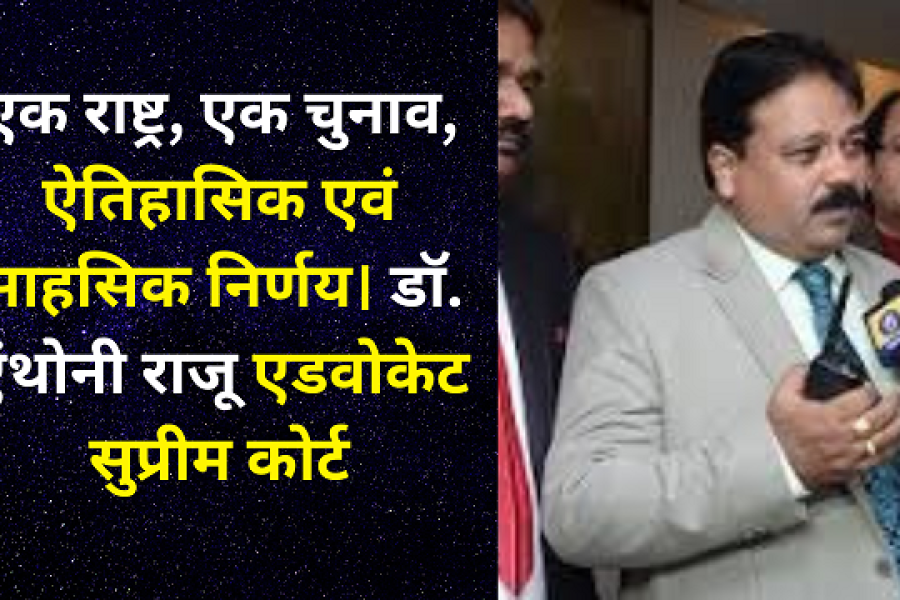
एक राष्ट्र, एक चुनाव, ऐतिहासिक एवं साहसिक निर्णय। डॉ. एंथोनी राजू एडवोकेट सुप्रीम कोर्ट
सदस्यता खुली
देश के शीर्ष और सर्वाधिक प्रतिष्ठित मानवाधिकार आंदोलन से जुड़ें और
बेजुबान लोगों के लिए अपनी आवाज उठाएं
MEMBERSHIP OPEN
JOIN THE TOP AND MOST REPUTED HUMAN RIGHTS MOVEMENT OF THE COUNTRY AND
RAISE YOUR VOICE FOR THE VOICELESS PEOPLE
Top Criminal Advocate
Top Human Rights Advocate
SPEAK BEFORE APPLY FOR THE MEMBERSHIP
For more details, visit below
9873005424, 9873087903
https://humanrightscouncil.in/
https://humanrightscouncil.in/membership-form-download.php
https://www.hrcin.org/membership-form.html
http://ihrac.org/membership-form-download.php
https://hrcin.org/
http://ihrac.org/
https://twitter.com/AdvAnthonyRaju
Email: Office@humanrightscouncil.in
ALL INDIA COUNCIL OF HUMAN RIGHTS, LIBERTIES & SOCIAL JUSTICE
(AICHLS) is founded by Dr. Anthony Raju - Advocate, Supreme Court of India, Dynamic Internationally Accredited Human Rights Defender, Inspirational, spiritual and motivational speaker, Peace Activist & Social Worker and is one of global's foremost voices of Human Rights and powerful voice for voiceless people globally.
All India council of human rights, liberties & social justice has been added as signatory to UNITED NATION GLOBAL COMPACT. The world's largest corporate responsibility initiative with nearly 12,000 business and non-business participants in 140 countries. That All India Council of Human Rights, Liberties & Social Justice (AICHLS), is a duly registered Society under the Societies Registration Act XXI of 1860, and is functioning with commitment to the Noble Cause of Human Rights Protection and Promotion, Justice for All, Economic Upliftment of the Underprivileged, Education, Love, Peace, Harmony and Friendship, National & International Integration by Exchange of Ideas & Ethos in India and also amongst the neighbouring countries and the people of the rest of the World at large.
Dr. Anthony Raju
Advocate , Supreme Court of India.
Global Chairman , All India Council of Human Rights, Liberties & Social Justice.
Chairman - National Legal Council
International Convener, Universal mission for Peace and Human Rights.
Chairman, National Council of News and Broadcasting.
Secretary General : Asian Human Rights Council
International Peace keeper
Dr. Anthony Raju - Advocate, Supreme Court of India and a dynamic, dedicated, Internationally accredited HUMAN RIGHTS, PEACE Ambassador & SOCIAL Worker and is one of Global's foremost voices of Human Rights.
Dr. Anthony Raju , who is an Internationally Reputed and Accredited PEACE BUILDER, HUMAN RIGHTS DEFENDER , Diplomat , an Eminent Social Reformer & Activist, Environmentalist, Educator, Human Rights & Constitutional Rights Activist, Motivator, Changemaker, Teacher Trainer, Disaster management Expert, Panel Arbitrator in National & International Level, Legal Aid Expert, Academician, Humanitarian works Expert, etc.
Dr. Anthony Raju has been awarded several National & International Awards for his Excellence work for more than 15 Years for promoting and protecting Human Rights. He has been awarded with several (Honoris Causa) Degrees , Like Doctor of Sociology , Doctorate of Human Rights by International Peace University , Germany, PHD. Social Work by Universal Academy for Global Peace , Life time membership and Award by International Journalism Centre , National Human Rights Activist Award by All India Newspaper Association , Ambassador of Peace Award by Blind Association, Peace Ambassador by Global Peace Initiative -USA
Dr. Anthony Raju had justified his position many times against the capital punishment , he has publicly condemned this barbaric act in name of punishment. He has written number of articles on Extra Judicial Killings, Violence Against Women, Right to Education, Rights to Information Contemporary forms of slavery , Right to an adequate Standard of living, Extrajudicial, summary of arbitrary executions , Sale of Children, Child prostitution , Independence of Judges and Lawyers.
Dr. Anthony Raju spends most of the time between Tribal , underprivileged , Villages , he widely travels in various States i.e Orissa , Chhattisgarh, Jharkhand , Bihar , Uttar Pradesh , Madhya Pradesh , Uttrakhand , Gujarat , Rajasthan etc.
#dranthonyraju #tophumanrightsactivist #globalpeaceactivist #dranthonyrajuadvocate
https://www.flickr.com/people/anthonyraju/
https://www.flickr.com/photos/anthonyraju/
http://www.ihrac.org/
http://www.awardsforhumanrights.com/
https://www.newsindiatoday.co.in
http://www.ncnb.in/
https://www.linkedin.com/in/anthonyraju/
https://www.facebook.com/aichlsin
https://twitter.com/aichls
http://www.anthonyraju.com/
http://www.juneann.in/
https://plus.google.com/u/1/?tab=mX
https://www.youtube.com/user/TheHumanrightsindia/
http://www.xavierinstitutions.org/
www.asianhumanrightscouncil.org
www.internationalhumanrightscouncil.org
www.indianpresstrust.com
www.groundreports.in
======================================================
#dranthonyraju #drjuneann #drtessmartin #drameenaali #aparathapa, #sandeepmarwah, #Tophumanrightscouncil, #Humanrightsinindia #Socialjustice, #freelegalhelp #HumanRightsOrganizationsInIndia, #HumanRightsComplaint, #HumanRights, #AdvocateSupremeCourt #HumanRightsMembership ##TopHumanRightsOrganisationofIndia #peace #gahrc #humanrightseducation #humanrightsleadership #humanitarian #ihrac #dranthonyrajutopcriminaladvocate #aichls #ncnb #humanrightsambassador #tophumanrightsactivistofindia #motivationalspeaker #inspirationalspeaker #nhrc #tophumanrightsadvocateof india #topcriminaladvocate #nationalhumanrightscommission #topcriminaladvocatesupremecourtofindia #majorgeneralrajankochhar #drmoustaffaattarwala ##frjoshymichael
"Human Rights In India, Social Justice, Human Rights Commission, National Human Rights Commission, Human Rights Organizations In India, State Human Rights Commission, Human Rights Commission Delhi, Human Rights Complaint, Human Rights, Advocate Supreme Court, Human Rights Membership, Top Human Rights Organisation of India" "Human Rights In India, Dr. Anthony Raju Advocate Supreme Court, Human Rights Membership, Top Human Rights Organisation of India"
In Public Interest, More Links Of Human Rights/Government Organisation working for the promotion and protection of Human Rights. Legal Aid in India.
https://nhrc.nic.in/
https://nhrc.nic.in/about-us/state-commission?term_node_tid_depth=2350
https://nhrc.nic.in/statecommission/andhra-pradesh-state-human-rights-commission
https://shrc.tn.gov.in/
https://kshrc.karnataka.gov.in/english
https://nhrc.nic.in/statecommission/maharashtra-state-human-rights-commission
http://uphrc.up.nic.in/
https://ukhrc.net/u/
http://bhrc.bihar.gov.in/
http://www.pshrc.net/Home/Contact
https://nhrc.nic.in/statecommission/punjab-human-rights-commission
https://nhrc.nic.in/statecommission/gujarat-human-rights-commission
https://hphrc.hp.gov.in/
https://nhrc.nic.in/statecommission/goa-human-rights-commission
https://dpar.nagaland.gov.in/setting-up-of-nagaland-state-human-rights-commission/
https://nhrc.nic.in/statecommission/manipur-state-human-rights-commission
https://nhrc.nic.in/statecommission/meghalaya-human-rights-commission
https://homeandpolitical.assam.gov.in/frontimpotentdata/assam-human-rights-commission
http://wbhrc.nic.in/
http://sshrc.nic.in/
http://www.arunachalpradesh.gov.in/setting-up-of-the-arunachal-pradesh-state-human-rights-commission-apshrc/
https://rshrc.rajasthan.gov.in/
https://main.sci.gov.in/legal-aid
top 10 criminal law firms in india
top criminal law firms in india
top 10 criminal lawyers in mumbai
famous criminal lawyers
top criminal lawyers in mumbai
best criminal lawyer in world
best criminal lawyer in supreme court
top female criminal lawyers in india
LEGAL AND LEGAL Associates
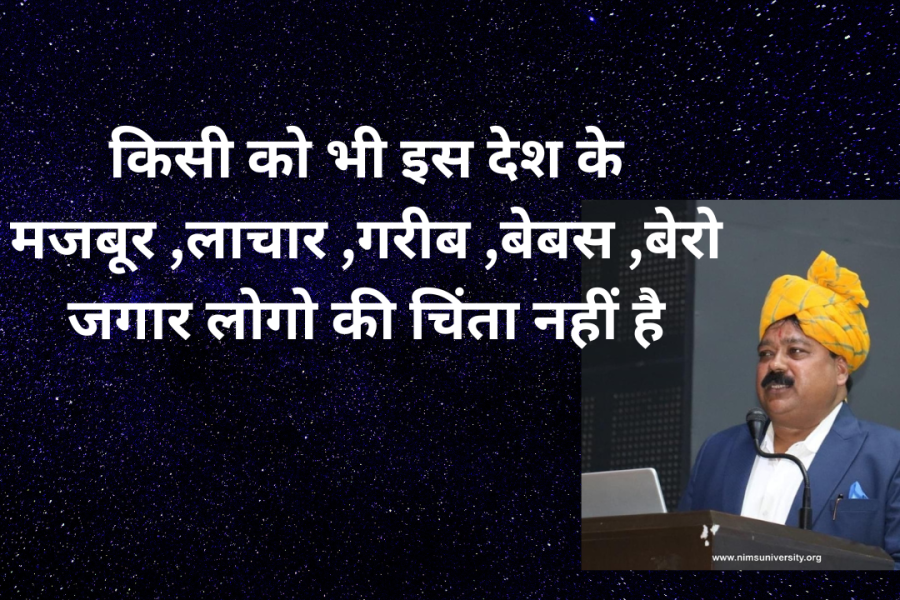
अब तो ऐसा वक्त आ गया है, या यह कहे की राजनीति का स्तर इतना गिर गया है की सब एक दूसरे को नीचा दिखाने के लिए किसी भी हद तक जाने के लिए तैयार है।
किसी को भी इस देश के मजबूर ,लाचार ,गरीब ,बेबस ,बेरोजगार लोगो की चिंता नहीं है। राजनितिक पार्टिया सिर्फ ५ साल एक दूसरे की कमिया या उनको नीचा दिखाने मै बिता देती है।
सुबह से शाम तक २४ घंटे टीवी चेंनलो से बक बक करते रहते है , या ट्विटर पर
अब तो ऐसा लगता है , सोशल मीडिया का सबसे जयादा इस्तेंमाल राजनीती, नफरत के लिए हो रहा है
जनता कब जागेगी ??????
Now such a time has come, or to say that the level of politics has fallen so much that everyone is ready to go to any extent to humiliate each other.
No one is worried about the helpless, helpless, poor, helpless, unemployed people of this country. Political parties spend only 5 years in demeaning each other's shortcomings or in humiliating them.
From morning to evening, 24 hours a day, they keep on talking on TV channels, or on Twitter.
Now it seems that most of the social media is being used for politics and hatred.
When will the public wake up??????
==============
सदस्यता खुली
देश के शीर्ष और सर्वाधिक प्रतिष्ठित मानवाधिकार आंदोलन से जुड़ें और
बेजुबान लोगों के लिए अपनी आवाज उठाएं
MEMBERSHIP OPEN
JOIN THE TOP AND MOST REPUTED HUMAN RIGHTS MOVEMENT OF THE COUNTRY AND
RAISE YOUR VOICE FOR THE VOICELESS PEOPLE
Top Criminal Advocate
Top Human Rights Advocate
SPEAK BEFORE APPLY FOR THE MEMBERSHIP
For more details, visit below
9873005424, 9873087903
https://humanrightscouncil.in/
https://humanrightscouncil.in/membership-form-download.php
https://www.hrcin.org/membership-form.html
http://ihrac.org/membership-form-download.php
https://hrcin.org/
http://ihrac.org/
https://twitter.com/AdvAnthonyRaju
Email: Office@humanrightscouncil.in
ALL INDIA COUNCIL OF HUMAN RIGHTS, LIBERTIES & SOCIAL JUSTICE
(AICHLS) is founded by Dr. Anthony Raju - Advocate, Supreme Court of India, Dynamic Internationally Accredited Human Rights Defender, Inspirational, spiritual and motivational speaker, Peace Activist & Social Worker and is one of global's foremost voices of Human Rights and powerful voice for voiceless people globally.
All India council of human rights, liberties & social justice has been added as signatory to UNITED NATION GLOBAL COMPACT. The world's largest corporate responsibility initiative with nearly 12,000 business and non-business participants in 140 countries. That All India Council of Human Rights, Liberties & Social Justice (AICHLS), is a duly registered Society under the Societies Registration Act XXI of 1860, and is functioning with commitment to the Noble Cause of Human Rights Protection and Promotion, Justice for All, Economic Upliftment of the Underprivileged, Education, Love, Peace, Harmony and Friendship, National & International Integration by Exchange of Ideas & Ethos in India and also amongst the neighbouring countries and the people of the rest of the World at large.
Dr. Anthony Raju
Advocate , Supreme Court of India.
Global Chairman , All India Council of Human Rights, Liberties & Social Justice.
Chairman - National Legal Council
International Convener, Universal mission for Peace and Human Rights.
Chairman, National Council of News and Broadcasting.
Secretary General : Asian Human Rights Council
International Peace keeper
Dr. Anthony Raju - Advocate, Supreme Court of India and a dynamic, dedicated, Internationally accredited HUMAN RIGHTS, PEACE Ambassador & SOCIAL Worker and is one of Global's foremost voices of Human Rights.
Dr. Anthony Raju , who is an Internationally Reputed and Accredited PEACE BUILDER, HUMAN RIGHTS DEFENDER , Diplomat , an Eminent Social Reformer & Activist, Environmentalist, Educator, Human Rights & Constitutional Rights Activist, Motivator, Changemaker, Teacher Trainer, Disaster management Expert, Panel Arbitrator in National & International Level, Legal Aid Expert, Academician, Humanitarian works Expert, etc.
Dr. Anthony Raju has been awarded several National & International Awards for his Excellence work for more than 15 Years for promoting and protecting Human Rights. He has been awarded with several (Honoris Causa) Degrees , Like Doctor of Sociology , Doctorate of Human Rights by International Peace University , Germany, PHD. Social Work by Universal Academy for Global Peace , Life time membership and Award by International Journalism Centre , National Human Rights Activist Award by All India Newspaper Association , Ambassador of Peace Award by Blind Association, Peace Ambassador by Global Peace Initiative -USA
Dr. Anthony Raju had justified his position many times against the capital punishment , he has publicly condemned this barbaric act in name of punishment. He has written number of articles on Extra Judicial Killings, Violence Against Women, Right to Education, Rights to Information Contemporary forms of slavery , Right to an adequate Standard of living, Extrajudicial, summary of arbitrary executions , Sale of Children, Child prostitution , Independence of Judges and Lawyers.
Dr. Anthony Raju spends most of the time between Tribal , underprivileged , Villages , he widely travels in various States i.e Orissa , Chhattisgarh, Jharkhand , Bihar , Uttar Pradesh , Madhya Pradesh , Uttrakhand , Gujarat , Rajasthan etc.
https://www.flickr.com/people/anthonyraju/
https://www.flickr.com/photos/anthonyraju/
http://www.ihrac.org/
http://www.awardsforhumanrights.com/
https://www.newsindiatoday.co.in
http://www.ncnb.in/
https://www.linkedin.com/in/anthonyraju/
https://www.facebook.com/aichlsin
https://twitter.com/aichls
http://www.anthonyraju.com/
http://www.juneann.in/
https://plus.google.com/u/1/?tab=mX
https://www.youtube.com/user/TheHumanrightsindia/
http://www.xavierinstitutions.org/
www.asianhumanrightscouncil.org
www.internationalhumanrightscouncil.org
www.indianpresstrust.com
www.groundreports.in
======================================================
#dranthonyraju #drjuneann #drtessmartin #drameenaali #aparathapa, #sandeepmarwah, #Tophumanrightscouncil, #Humanrightsinindia #Socialjustice, #freelegalhelp #HumanRightsOrganizationsInIndia, #HumanRightsComplaint, #HumanRights, #AdvocateSupremeCourt #HumanRightsMembership ##TopHumanRightsOrganisationofIndia #peace #gahrc #humanrightseducation #humanrightsleadership #humanitarian #ihrac #dranthonyrajutopcriminaladvocate #aichls #ncnb #humanrightsambassador #tophumanrightsactivistofindia #motivationalspeaker #inspirationalspeaker #nhrc #tophumanrightsadvocateof india #topcriminaladvocate #nationalhumanrightscommission #topcriminaladvocatesupremecourtofindia #majorgeneralrajankochhar #drmoustaffaattarwala ##frjoshymichael
"Human Rights In India, Social Justice, Human Rights Commission, National Human Rights Commission, Human Rights Organizations In India, State Human Rights Commission, Human Rights Commission Delhi, Human Rights Complaint, Human Rights, Advocate Supreme Court, Human Rights Membership, Top Human Rights Organisation of India" "Human Rights In India, Dr. Anthony Raju Advocate Supreme Court, Human Rights Membership, Top Human Rights Organisation of India"
In Public Interest, More Links Of Human Rights/Government Organisation working for the promotion and protection of Human Rights. Legal Aid in India.
https://nhrc.nic.in/
https://nhrc.nic.in/about-us/state-commission?term_node_tid_depth=2350
https://nhrc.nic.in/statecommission/andhra-pradesh-state-human-rights-commission
https://shrc.tn.gov.in/
https://kshrc.karnataka.gov.in/english
https://nhrc.nic.in/statecommission/maharashtra-state-human-rights-commission
http://uphrc.up.nic.in/
https://ukhrc.net/u/
http://bhrc.bihar.gov.in/
http://www.pshrc.net/Home/Contact
https://nhrc.nic.in/statecommission/punjab-human-rights-commission
https://nhrc.nic.in/statecommission/gujarat-human-rights-commission
https://hphrc.hp.gov.in/
https://nhrc.nic.in/statecommission/goa-human-rights-commission
https://dpar.nagaland.gov.in/setting-up-of-nagaland-state-human-rights-commission/
https://nhrc.nic.in/statecommission/manipur-state-human-rights-commission
https://nhrc.nic.in/statecommission/meghalaya-human-rights-commission
https://homeandpolitical.assam.gov.in/frontimpotentdata/assam-human-rights-commission
http://wbhrc.nic.in/
http://sshrc.nic.in/
http://www.arunachalpradesh.gov.in/setting-up-of-the-arunachal-pradesh-state-human-rights-commission-apshrc/
https://rshrc.rajasthan.gov.in/
https://main.sci.gov.in/legal-aid
top 10 criminal law firms in india
top criminal law firms in india
top 10 criminal lawyers in mumbai
famous criminal lawyers
top criminal lawyers in mumbai
best criminal lawyer in world
best criminal lawyer in supreme court
top female criminal lawyers in india
LEGAL AND LEGAL Associates
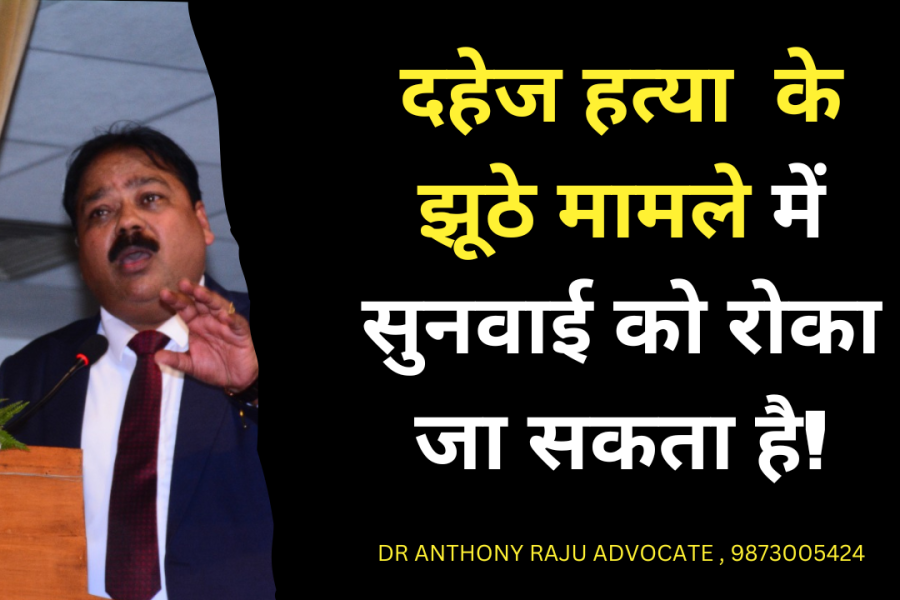
Call Legal Team 9873005424 अन्याय एवं अत्याचार के खिलाफ आवाज उठाएं सदस्य बने और हमारी कानूनी टीम से मदद ले अगर आप किसी भी अन्याय एवं अत्याचार के शिकार है, या आप पर झूठे मुक़दमे लगाए जा रहे है या आप पर दहेज़ हत्या , पोक्सो , बलात्कार, आत्महत्या से उकसाना , या आप पैर आपकी बहु ने दहेज़ का आरोप लगाया है, जैसे गंभीर मुकदमो मै फसे है या पुलिस की आपकी FIR नहीं लिख रही है या किसी भी सरकारी काम में कोई बाधा आ रही है said Dr. Anthony Raju Advocate Supreme Court #pocos #fakepocso #rape #dowrydeath #bail #aichls #humanrights #dranthonyraju #criminaladvocate
सदस्यता खुली
देश के शीर्ष और सर्वाधिक प्रतिष्ठित मानवाधिकार आंदोलन से जुड़ें और
बेजुबान लोगों के लिए अपनी आवाज उठाएं
MEMBERSHIP OPEN
JOIN THE TOP AND MOST REPUTED HUMAN RIGHTS MOVEMENT OF THE COUNTRY AND
RAISE YOUR VOICE FOR THE VOICELESS PEOPLE
Top Criminal Advocate
Top Human Rights Advocate
SPEAK BEFORE APPLY FOR THE MEMBERSHIP
For more details, visit below
9873005424, 9873087903
https://humanrightscouncil.in/
https://humanrightscouncil.in/membership-form-download.php
https://www.hrcin.org/membership-form.html
http://ihrac.org/membership-form-download.php
https://hrcin.org/
http://ihrac.org/
https://twitter.com/AdvAnthonyRaju
Email: Office@humanrightscouncil.in
ALL INDIA COUNCIL OF HUMAN RIGHTS, LIBERTIES & SOCIAL JUSTICE
(AICHLS) is founded by Dr. Anthony Raju - Advocate, Supreme Court of India, Dynamic Internationally Accredited Human Rights Defender, Inspirational, spiritual and motivational speaker, Peace Activist & Social Worker and is one of global's foremost voices of Human Rights and powerful voice for voiceless people globally.
All India council of human rights, liberties & social justice has been added as signatory to UNITED NATION GLOBAL COMPACT. The world's largest corporate responsibility initiative with nearly 12,000 business and non-business participants in 140 countries. That All India Council of Human Rights, Liberties & Social Justice (AICHLS), is a duly registered Society under the Societies Registration Act XXI of 1860, and is functioning with commitment to the Noble Cause of Human Rights Protection and Promotion, Justice for All, Economic Upliftment of the Underprivileged, Education, Love, Peace, Harmony and Friendship, National & International Integration by Exchange of Ideas & Ethos in India and also amongst the neighbouring countries and the people of the rest of the World at large.
Dr. Anthony Raju
Advocate , Supreme Court of India.
Global Chairman , All India Council of Human Rights, Liberties & Social Justice.
Chairman - National Legal Council
International Convener, Universal mission for Peace and Human Rights.
Chairman, National Council of News and Broadcasting.
Secretary General : Asian Human Rights Council
International Peace keeper
Dr. Anthony Raju - Advocate, Supreme Court of India and a dynamic, dedicated, Internationally accredited HUMAN RIGHTS, PEACE Ambassador & SOCIAL Worker and is one of Global's foremost voices of Human Rights.
Dr. Anthony Raju , who is an Internationally Reputed and Accredited PEACE BUILDER, HUMAN RIGHTS DEFENDER , Diplomat , an Eminent Social Reformer & Activist, Environmentalist, Educator, Human Rights & Constitutional Rights Activist, Motivator, Changemaker, Teacher Trainer, Disaster management Expert, Panel Arbitrator in National & International Level, Legal Aid Expert, Academician, Humanitarian works Expert, etc.
Dr. Anthony Raju has been awarded several National & International Awards for his Excellence work for more than 15 Years for promoting and protecting Human Rights. He has been awarded with several (Honoris Causa) Degrees , Like Doctor of Sociology , Doctorate of Human Rights by International Peace University , Germany, PHD. Social Work by Universal Academy for Global Peace , Life time membership and Award by International Journalism Centre , National Human Rights Activist Award by All India Newspaper Association , Ambassador of Peace Award by Blind Association, Peace Ambassador by Global Peace Initiative -USA
Dr. Anthony Raju had justified his position many times against the capital punishment , he has publicly condemned this barbaric act in name of punishment. He has written number of articles on Extra Judicial Killings, Violence Against Women, Right to Education, Rights to Information Contemporary forms of slavery , Right to an adequate Standard of living, Extrajudicial, summary of arbitrary executions , Sale of Children, Child prostitution , Independence of Judges and Lawyers.
Dr. Anthony Raju spends most of the time between Tribal , underprivileged , Villages , he widely travels in various States i.e Orissa , Chhattisgarh, Jharkhand , Bihar , Uttar Pradesh , Madhya Pradesh , Uttrakhand , Gujarat , Rajasthan etc.
https://www.flickr.com/people/anthonyraju/
https://www.flickr.com/photos/anthonyraju/
http://www.ihrac.org/
http://www.awardsforhumanrights.com/
https://www.newsindiatoday.co.in
http://www.ncnb.in/
https://www.linkedin.com/in/anthonyraju/
https://www.facebook.com/aichlsin
https://twitter.com/aichls
http://www.anthonyraju.com/
http://www.juneann.in/
https://plus.google.com/u/1/?tab=mX
https://www.youtube.com/user/TheHumanrightsindia/
http://www.xavierinstitutions.org/
www.asianhumanrightscouncil.org
www.internationalhumanrightscouncil.org
www.indianpresstrust.com
www.groundreports.in
======================================================
#dranthonyraju #drjuneann #drtessmartin #drameenaali #aparathapa, #sandeepmarwah, #Tophumanrightscouncil, #Humanrightsinindia #Socialjustice, #freelegalhelp #HumanRightsOrganizationsInIndia, #HumanRightsComplaint, #HumanRights, #AdvocateSupremeCourt #HumanRightsMembership ##TopHumanRightsOrganisationofIndia #peace #gahrc #humanrightseducation #humanrightsleadership #humanitarian #ihrac #dranthonyraju #aichls #humanrightsambassador #tophumanrightsactivistofindia #motivationalspeaker #inspirationalspeaker #nhrc #tophumanrightsadvocateof india #topcriminaladvocate #nationalhumanrightscommission #topcriminaladvocatesupremecourtofindia
"Human Rights In India, Social Justice, Human Rights Commission, National Human Rights Commission, Human Rights Organizations In India, State Human Rights Commission, Human Rights Commission Delhi, Human Rights Complaint, Human Rights, Advocate Supreme Court, Human Rights Membership, Top Human Rights Organisation of India" "Human Rights In India, Dr. Anthony Raju Advocate Supreme Court, Human Rights Membership, Top Human Rights Organisation of India"
In Public Interest, More Links Of Human Rights/Government Organisation working for the promotion and protection of Human Rights. Legal Aid in India.
https://nhrc.nic.in/
https://nhrc.nic.in/about-us/state-commission?term_node_tid_depth=2350
https://nhrc.nic.in/statecommission/andhra-pradesh-state-human-rights-commission
https://shrc.tn.gov.in/
https://kshrc.karnataka.gov.in/english
https://nhrc.nic.in/statecommission/maharashtra-state-human-rights-commission
http://uphrc.up.nic.in/
https://ukhrc.net/u/
http://bhrc.bihar.gov.in/
http://www.pshrc.net/Home/Contact
https://nhrc.nic.in/statecommission/punjab-human-rights-commission
https://nhrc.nic.in/statecommission/gujarat-human-rights-commission
https://hphrc.hp.gov.in/
https://nhrc.nic.in/statecommission/goa-human-rights-commission
https://dpar.nagaland.gov.in/setting-up-of-nagaland-state-human-rights-commission/
https://nhrc.nic.in/statecommission/manipur-state-human-rights-commission
https://nhrc.nic.in/statecommission/meghalaya-human-rights-commission
https://homeandpolitical.assam.gov.in/frontimpotentdata/assam-human-rights-commission
http://wbhrc.nic.in/
http://sshrc.nic.in/
http://www.arunachalpradesh.gov.in/setting-up-of-the-arunachal-pradesh-state-human-rights-commission-apshrc/
https://rshrc.rajasthan.gov.in/
https://main.sci.gov.in/legal-aid
top 10 criminal law firms in india
top criminal law firms in india
top 10 criminal lawyers in mumbai
famous criminal lawyers
top criminal lawyers in mumbai
best criminal lawyer in world
best criminal lawyer in supreme court
top female criminal lawyers in india
LEGAL AND LEGAL Associates
दिल्ली सरकार के वरिष्ठ अधिकारी पर दोस्त की नाबालिग बेटी से बलात्कार का मामला दर्ज, उसकी पत्नी ने किशोर की गर्भावस्था समाप्त कर दी https://indianexpress.com/article/cities/delhi/senior-delhi-government-officer-booked-raping-friends-minor-daughter-terminated-pregnancy-8900752/
जब लड़की ने 2020 में अपने पिता को खो दिया, तो आरोपी ने कथित तौर पर उसे उत्तरी दिल्ली में अपने घर ले जाने और उसकी देखभाल करने की पेशकश की। पुलिस ने कहा कि उसकी मां सहमत थी क्योंकि वे दोस्त थे।
अब राजनीति शुरू हो गई है, इस 12 साल की बच्ची की किसी को चिंता नहीं है, सिर्फ राजनीति ही राजनीति है.
हम शर्मिंदा हैं
आजकल राजनीति और सरकार सोशल मीडिया पर चलती है।
सरकार 5 साल सिर्फ एक-दूसरे पर आरोप लगाने में बिता देती है और कुछ नहीं।
देश आज भी वहीं है जहां हम दशकों बाद चले थे
DR. ANTHONY RAJU ADVOCATE
सदस्यता खुली
देश के शीर्ष और सर्वाधिक प्रतिष्ठित मानवाधिकार आंदोलन से जुड़ें और
बेजुबान लोगों के लिए अपनी आवाज उठाएं
MEMBERSHIP OPEN
JOIN THE TOP AND MOST REPUTED HUMAN RIGHTS MOVEMENT OF THE COUNTRY AND
RAISE YOUR VOICE FOR THE VOICELESS PEOPLE
Top Criminal Advocate
Top Human Rights Advocate
SPEAK BEFORE APPLY FOR THE MEMBERSHIP
For more details, visit below
9873005424, 9873087903
https://humanrightscouncil.in/
https://humanrightscouncil.in/membership-form-download.php
https://www.hrcin.org/membership-form.html
http://ihrac.org/membership-form-download.php
https://hrcin.org/
http://ihrac.org/
https://twitter.com/AdvAnthonyRaju
Email: Office@humanrightscouncil.in
ALL INDIA COUNCIL OF HUMAN RIGHTS, LIBERTIES & SOCIAL JUSTICE
(AICHLS) is founded by Dr. Anthony Raju - Advocate, Supreme Court of India, Dynamic Internationally Accredited Human Rights Defender, Inspirational, spiritual and motivational speaker, Peace Activist & Social Worker and is one of global's foremost voices of Human Rights and powerful voice for voiceless people globally.
All India council of human rights, liberties & social justice has been added as signatory to UNITED NATION GLOBAL COMPACT. The world's largest corporate responsibility initiative with nearly 12,000 business and non-business participants in 140 countries. That All India Council of Human Rights, Liberties & Social Justice (AICHLS), is a duly registered Society under the Societies Registration Act XXI of 1860, and is functioning with commitment to the Noble Cause of Human Rights Protection and Promotion, Justice for All, Economic Upliftment of the Underprivileged, Education, Love, Peace, Harmony and Friendship, National & International Integration by Exchange of Ideas & Ethos in India and also amongst the neighbouring countries and the people of the rest of the World at large.
Dr. Anthony Raju
Advocate , Supreme Court of India.
Global Chairman , All India Council of Human Rights, Liberties & Social Justice.
Chairman - National Legal Council
International Convener, Universal mission for Peace and Human Rights.
Chairman, National Council of News and Broadcasting.
Secretary General : Asian Human Rights Council
International Peace keeper
Dr. Anthony Raju - Advocate, Supreme Court of India and a dynamic, dedicated, Internationally accredited HUMAN RIGHTS, PEACE Ambassador & SOCIAL Worker and is one of Global's foremost voices of Human Rights.
Dr. Anthony Raju , who is an Internationally Reputed and Accredited PEACE BUILDER, HUMAN RIGHTS DEFENDER , Diplomat , an Eminent Social Reformer & Activist, Environmentalist, Educator, Human Rights & Constitutional Rights Activist, Motivator, Changemaker, Teacher Trainer, Disaster management Expert, Panel Arbitrator in National & International Level, Legal Aid Expert, Academician, Humanitarian works Expert, etc.
Dr. Anthony Raju has been awarded several National & International Awards for his Excellence work for more than 15 Years for promoting and protecting Human Rights. He has been awarded with several (Honoris Causa) Degrees , Like Doctor of Sociology , Doctorate of Human Rights by International Peace University , Germany, PHD. Social Work by Universal Academy for Global Peace , Life time membership and Award by International Journalism Centre , National Human Rights Activist Award by All India Newspaper Association , Ambassador of Peace Award by Blind Association, Peace Ambassador by Global Peace Initiative -USA
Dr. Anthony Raju had justified his position many times against the capital punishment , he has publicly condemned this barbaric act in name of punishment. He has written number of articles on Extra Judicial Killings, Violence Against Women, Right to Education, Rights to Information Contemporary forms of slavery , Right to an adequate Standard of living, Extrajudicial, summary of arbitrary executions , Sale of Children, Child prostitution , Independence of Judges and Lawyers.
Dr. Anthony Raju spends most of the time between Tribal , underprivileged , Villages , he widely travels in various States i.e Orissa , Chhattisgarh, Jharkhand , Bihar , Uttar Pradesh , Madhya Pradesh , Uttrakhand , Gujarat , Rajasthan etc.
https://www.flickr.com/people/anthonyraju/
https://www.flickr.com/photos/anthonyraju/
http://www.ihrac.org/
http://www.awardsforhumanrights.com/
https://www.newsindiatoday.co.in
http://www.ncnb.in/
https://www.linkedin.com/in/anthonyraju/
https://www.facebook.com/aichlsin
https://twitter.com/aichls
http://www.anthonyraju.com/
http://www.juneann.in/
https://plus.google.com/u/1/?tab=mX
https://www.youtube.com/user/TheHumanrightsindia/
http://www.xavierinstitutions.org/
www.asianhumanrightscouncil.org
www.internationalhumanrightscouncil.org
www.indianpresstrust.com
www.groundreports.in
======================================================
#dranthonyraju #drjuneann #drtessmartin #drameenaali #aparathapa, #sandeepmarwah, #Tophumanrightscouncil, #Humanrightsinindia #Socialjustice, #freelegalhelp #HumanRightsOrganizationsInIndia, #HumanRightsComplaint, #HumanRights, #AdvocateSupremeCourt #HumanRightsMembership ##TopHumanRightsOrganisationofIndia #peace #gahrc #humanrightseducation #humanrightsleadership #humanitarian #ihrac #dranthonyraju #aichls #humanrightsambassador #tophumanrightsactivistofindia #motivationalspeaker #inspirationalspeaker #nhrc #tophumanrightsadvocateof india #topcriminaladvocate #nationalhumanrightscommission #topcriminaladvocatesupremecourtofindia
"Human Rights In India, Social Justice, Human Rights Commission, National Human Rights Commission, Human Rights Organizations In India, State Human Rights Commission, Human Rights Commission Delhi, Human Rights Complaint, Human Rights, Advocate Supreme Court, Human Rights Membership, Top Human Rights Organisation of India" "Human Rights In India, Dr. Anthony Raju Advocate Supreme Court, Human Rights Membership, Top Human Rights Organisation of India"
In Public Interest, More Links Of Human Rights/Government Organisation working for the promotion and protection of Human Rights. Legal Aid in India.
https://nhrc.nic.in/
https://nhrc.nic.in/about-us/state-commission?term_node_tid_depth=2350
https://nhrc.nic.in/statecommission/andhra-pradesh-state-human-rights-commission
https://shrc.tn.gov.in/
https://kshrc.karnataka.gov.in/english
https://nhrc.nic.in/statecommission/maharashtra-state-human-rights-commission
http://uphrc.up.nic.in/
https://ukhrc.net/u/
http://bhrc.bihar.gov.in/
http://www.pshrc.net/Home/Contact
https://nhrc.nic.in/statecommission/punjab-human-rights-commission
https://nhrc.nic.in/statecommission/gujarat-human-rights-commission
https://hphrc.hp.gov.in/
https://nhrc.nic.in/statecommission/goa-human-rights-commission
https://dpar.nagaland.gov.in/setting-up-of-nagaland-state-human-rights-commission/
https://nhrc.nic.in/statecommission/manipur-state-human-rights-commission
https://nhrc.nic.in/statecommission/meghalaya-human-rights-commission
https://homeandpolitical.assam.gov.in/frontimpotentdata/assam-human-rights-commission
http://wbhrc.nic.in/
http://sshrc.nic.in/
http://www.arunachalpradesh.gov.in/setting-up-of-the-arunachal-pradesh-state-human-rights-commission-apshrc/
https://rshrc.rajasthan.gov.in/
https://main.sci.gov.in/legal-aid
top 10 criminal law firms in india
top criminal law firms in india
top 10 criminal lawyers in mumbai
famous criminal lawyers
top criminal lawyers in mumbai
best criminal lawyer in world
best criminal lawyer in supreme court
top female criminal lawyers in india
LEGAL AND LEGAL Associates
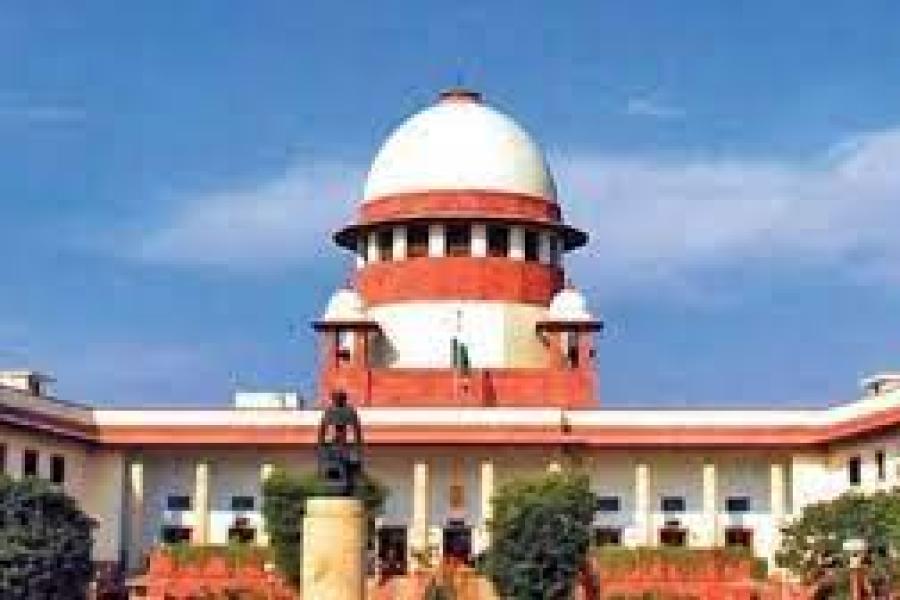
Manipur Panel's Report Shows Need To Upgrade Compensation: Supreme Court
Manipur violence: The Supreme Court said it will pass orders on Friday to facilitate functioning of the three-member panel.
सदस्यता खुली
देश के शीर्ष और सर्वाधिक प्रतिष्ठित मानवाधिकार आंदोलन से जुड़ें और
बेजुबान लोगों के लिए अपनी आवाज उठाएं
MEMBERSHIP OPEN
JOIN THE TOP AND MOST REPUTED HUMAN RIGHTS MOVEMENT OF THE COUNTRY AND
RAISE YOUR VOICE FOR THE VOICELESS PEOPLE
Top Criminal Advocate
Top Human Rights Advocate
SPEAK BEFORE APPLY FOR THE MEMBERSHIP
For more details, visit below
9873005424, 9873087903
https://humanrightscouncil.in/
https://humanrightscouncil.in/membership-form-download.php
https://www.hrcin.org/membership-form.html
http://ihrac.org/membership-form-download.php
https://hrcin.org/
http://ihrac.org/
https://twitter.com/AdvAnthonyRaju
Email: Office@humanrightscouncil.in
ALL INDIA COUNCIL OF HUMAN RIGHTS, LIBERTIES & SOCIAL JUSTICE
(AICHLS) is founded by Dr. Anthony Raju - Advocate, Supreme Court of India, Dynamic Internationally Accredited Human Rights Defender, Inspirational, spiritual and motivational speaker, Peace Activist & Social Worker and is one of global's foremost voices of Human Rights and powerful voice for voiceless people globally.
All India council of human rights, liberties & social justice has been added as signatory to UNITED NATION GLOBAL COMPACT. The world's largest corporate responsibility initiative with nearly 12,000 business and non-business participants in 140 countries. That All India Council of Human Rights, Liberties & Social Justice (AICHLS), is a duly registered Society under the Societies Registration Act XXI of 1860, and is functioning with commitment to the Noble Cause of Human Rights Protection and Promotion, Justice for All, Economic Upliftment of the Underprivileged, Education, Love, Peace, Harmony and Friendship, National & International Integration by Exchange of Ideas & Ethos in India and also amongst the neighbouring countries and the people of the rest of the World at large.
Dr. Anthony Raju
Advocate , Supreme Court of India.
Global Chairman , All India Council of Human Rights, Liberties & Social Justice.
Chairman - National Legal Council
International Convener, Universal mission for Peace and Human Rights.
Chairman, National Council of News and Broadcasting.
Secretary General : Asian Human Rights Council
International Peace keeper
Dr. Anthony Raju - Advocate, Supreme Court of India and a dynamic, dedicated, Internationally accredited HUMAN RIGHTS, PEACE Ambassador & SOCIAL Worker and is one of Global's foremost voices of Human Rights.
Dr. Anthony Raju , who is an Internationally Reputed and Accredited PEACE BUILDER, HUMAN RIGHTS DEFENDER , Diplomat , an Eminent Social Reformer & Activist, Environmentalist, Educator, Human Rights & Constitutional Rights Activist, Motivator, Changemaker, Teacher Trainer, Disaster management Expert, Panel Arbitrator in National & International Level, Legal Aid Expert, Academician, Humanitarian works Expert, etc.
Dr. Anthony Raju has been awarded several National & International Awards for his Excellence work for more than 15 Years for promoting and protecting Human Rights. He has been awarded with several (Honoris Causa) Degrees , Like Doctor of Sociology , Doctorate of Human Rights by International Peace University , Germany, PHD. Social Work by Universal Academy for Global Peace , Life time membership and Award by International Journalism Centre , National Human Rights Activist Award by All India Newspaper Association , Ambassador of Peace Award by Blind Association, Peace Ambassador by Global Peace Initiative -USA
Dr. Anthony Raju had justified his position many times against the capital punishment , he has publicly condemned this barbaric act in name of punishment. He has written number of articles on Extra Judicial Killings, Violence Against Women, Right to Education, Rights to Information Contemporary forms of slavery , Right to an adequate Standard of living, Extrajudicial, summary of arbitrary executions , Sale of Children, Child prostitution , Independence of Judges and Lawyers.
Dr. Anthony Raju spends most of the time between Tribal , underprivileged , Villages , he widely travels in various States i.e Orissa , Chhattisgarh, Jharkhand , Bihar , Uttar Pradesh , Madhya Pradesh , Uttrakhand , Gujarat , Rajasthan etc.
https://www.flickr.com/people/anthonyraju/
https://www.flickr.com/photos/anthonyraju/
http://www.ihrac.org/
http://www.awardsforhumanrights.com/
https://www.newsindiatoday.co.in
http://www.ncnb.in/
https://www.linkedin.com/in/anthonyraju/
https://www.facebook.com/aichlsin
https://twitter.com/aichls
http://www.anthonyraju.com/
http://www.juneann.in/
https://plus.google.com/u/1/?tab=mX
https://www.youtube.com/user/TheHumanrightsindia/
http://www.xavierinstitutions.org/
www.asianhumanrightscouncil.org
www.internationalhumanrightscouncil.org
www.indianpresstrust.com
www.groundreports.in
======================================================
#dranthonyraju #drjuneann #drtessmartin #drameenaali #aparathapa, #sandeepmarwah, #Tophumanrightscouncil, #Humanrightsinindia #Socialjustice, #freelegalhelp #HumanRightsOrganizationsInIndia, #HumanRightsComplaint, #HumanRights, #AdvocateSupremeCourt #HumanRightsMembership ##TopHumanRightsOrganisationofIndia #peace #gahrc #humanrightseducation #humanrightsleadership #humanitarian #ihrac #dranthonyraju #aichls #humanrightsambassador #tophumanrightsactivistofindia #motivationalspeaker #inspirationalspeaker #nhrc #tophumanrightsadvocateof india #topcriminaladvocate #nationalhumanrightscommission #topcriminaladvocatesupremecourtofindia
"Human Rights In India, Social Justice, Human Rights Commission, National Human Rights Commission, Human Rights Organizations In India, State Human Rights Commission, Human Rights Commission Delhi, Human Rights Complaint, Human Rights, Advocate Supreme Court, Human Rights Membership, Top Human Rights Organisation of India" "Human Rights In India, Dr. Anthony Raju Advocate Supreme Court, Human Rights Membership, Top Human Rights Organisation of India"
In Public Interest, More Links Of Human Rights/Government Organisation working for the promotion and protection of Human Rights. Legal Aid in India.
https://nhrc.nic.in/
https://nhrc.nic.in/about-us/state-commission?term_node_tid_depth=2350
https://nhrc.nic.in/statecommission/andhra-pradesh-state-human-rights-commission
https://shrc.tn.gov.in/
https://kshrc.karnataka.gov.in/english
https://nhrc.nic.in/statecommission/maharashtra-state-human-rights-commission
http://uphrc.up.nic.in/
https://ukhrc.net/u/
http://bhrc.bihar.gov.in/
http://www.pshrc.net/Home/Contact
https://nhrc.nic.in/statecommission/punjab-human-rights-commission
https://nhrc.nic.in/statecommission/gujarat-human-rights-commission
https://hphrc.hp.gov.in/
https://nhrc.nic.in/statecommission/goa-human-rights-commission
https://dpar.nagaland.gov.in/setting-up-of-nagaland-state-human-rights-commission/
https://nhrc.nic.in/statecommission/manipur-state-human-rights-commission
https://nhrc.nic.in/statecommission/meghalaya-human-rights-commission
https://homeandpolitical.assam.gov.in/frontimpotentdata/assam-human-rights-commission
http://wbhrc.nic.in/
http://sshrc.nic.in/
http://www.arunachalpradesh.gov.in/setting-up-of-the-arunachal-pradesh-state-human-rights-commission-apshrc/
https://rshrc.rajasthan.gov.in/
https://main.sci.gov.in/legal-aid
top 10 criminal law firms in india
top criminal law firms in india
top 10 criminal lawyers in mumbai
famous criminal lawyers
top criminal lawyers in mumbai
best criminal lawyer in world
best criminal lawyer in supreme court
top female criminal lawyers in india
LEGAL AND LEGAL Associates


